
Weight Regain After Ozempic: What To Do Next
You didn't fail. The medication ended and the environment stayed the same. Here's how to rebuild a system that holds up in real life — without dragging guilt into the room.
Weight regain after Ozempic or other GLP-1 medications is common because appetite, metabolism, habits, and support systems all matter after the medication stops. In the STEP 1 extension study, adults regained about two-thirds of prior weight loss one year after stopping semaglutide 2.4 mg and lifestyle support.
If this happened to you, let us get one thing straight: you did not fail.
You made a reasonable decision with the information, cost, access, side effects, medical advice, and life circumstances you had at the time. For many people, GLP-1 medications reduce appetite dramatically while they're being used. When that support changes or stops, the old environment is still waiting. Same pantry. Same schedule. Same stress. Same Northern Michigan patio season quietly offering you a burger, fries, and a beverage with a lime in it.
The goal now is rebuilding a system that can hold up in real life — without dragging guilt into the room.
Why Weight Regain After GLP-1 Medications Happens
Weight regain after GLP-1 medications can happen because the medication was helping manage appetite and intake while it was active. When it stops, hunger may increase, food noise may return, and habits that were never fully rebuilt can become harder to manage.
The best-known research on this topic is the STEP 1 extension study, published in Diabetes, Obesity and Metabolism in 2022. The study followed 327 adults after 68 weeks of semaglutide 2.4 mg or placebo plus lifestyle intervention.
That study matters because it confirms what many people already feel: weight maintenance needs a plan. A medication may help with appetite, but long-term change still needs nutrition structure, movement, accountability, and daily routines that match your life.
What the Research Says About Sustainable Weight Loss
Sustainable weight loss usually requires nutrition changes, physical activity, monitoring, and support. The National Institute of Diabetes and Digestive and Kidney Diseases says health care professionals most often treat overweight and obesity by helping people adopt lifestyle changes that may help them lose excess weight safely and keep it off long term.
NIDDK also says safe and successful weight-loss programs typically include 14 or more counseling sessions over 6 months, an eating plan based on calorie and nutrient needs, at least 150 minutes per week of moderate-intensity aerobic activity, daily monitoring of food intake and physical activity, weekly monitoring of weight, and regular feedback and support from specialists.
The CDC gives a similar movement target for adults: at least 150 minutes of moderate-intensity physical activity each week and at least 2 days of muscle-strengthening activity each week.
None of that means you need to become a gym rat with meal containers stacked to the ceiling. It means your body responds better when your plan has enough structure to be repeatable.
What to Rebuild First After Weight Regain
After weight regain, the first step is to rebuild the basics that make your weight easier to manage without medication. At Northern Michigan Weight Loss in Traverse City, MI, our all-natural program focuses on nutrition guidance, coaching, accountability, natural supplements, and optional red light therapy.
Here's the order we usually care about most:
Meal Rhythm
A consistent meal rhythm helps reduce reactive eating. NIDDK says safe and successful programs include an eating plan based on calories and nutrients the body needs. At NMWL, that means structured flexibility: clear guidance with room for real life.
Protein & Produce at Meals
The Dietary Guidelines for Americans 2020–2025 emphasize nutrient-dense foods. We use those principles to help clients build meals that fuel better energy and steadier progress.
Portion Awareness
Portions matter, and pretending otherwise is how weight loss advice gets weird. Our approach teaches the right balance of nutrients and portions for your body without shame or deprivation.
Movement You Can Repeat
The CDC recommends 150 minutes of moderate-intensity physical activity per week. In real life, that might start with walking, strength training, mobility work, or short movement blocks that fit your schedule.
Accountability
NIDDK says safe and successful programs include regular feedback and support from specialists. At NMWL, clients meet with our team weekly or bi-weekly depending on the plan and stage of the program.
How Northern Michigan Weight Loss Is Different
Northern Michigan Weight Loss is built for people who want weight loss without medication, with a process that feels personal, practical, and grounded.
Our program includes:
- Doctors and coaches guiding the process
- A structured nutrition framework with flexibility
- Weekly or bi-weekly check-ins with our team
- Natural supplements when appropriate for the program
- Red light therapy available and recommended (usually starting around Week 2, but optional)
- No lab work or blood work
- A plan designed for sustainable results, not a temporary sprint
We respect that GLP-1 use made sense for many people. For some, medication was a useful chapter. For others, cost, side effects, access, or personal preference made it hard to continue. Either way, you deserve a next step that is calm, clear, and doable.
Real People, Real Results — Without Medication
Before we get into the how-to, here are two women who rebuilt after past frustrations and did it without medication. Their journeys look different, and their pace looked different, but the pattern was the same: structure, support, and consistency over time.
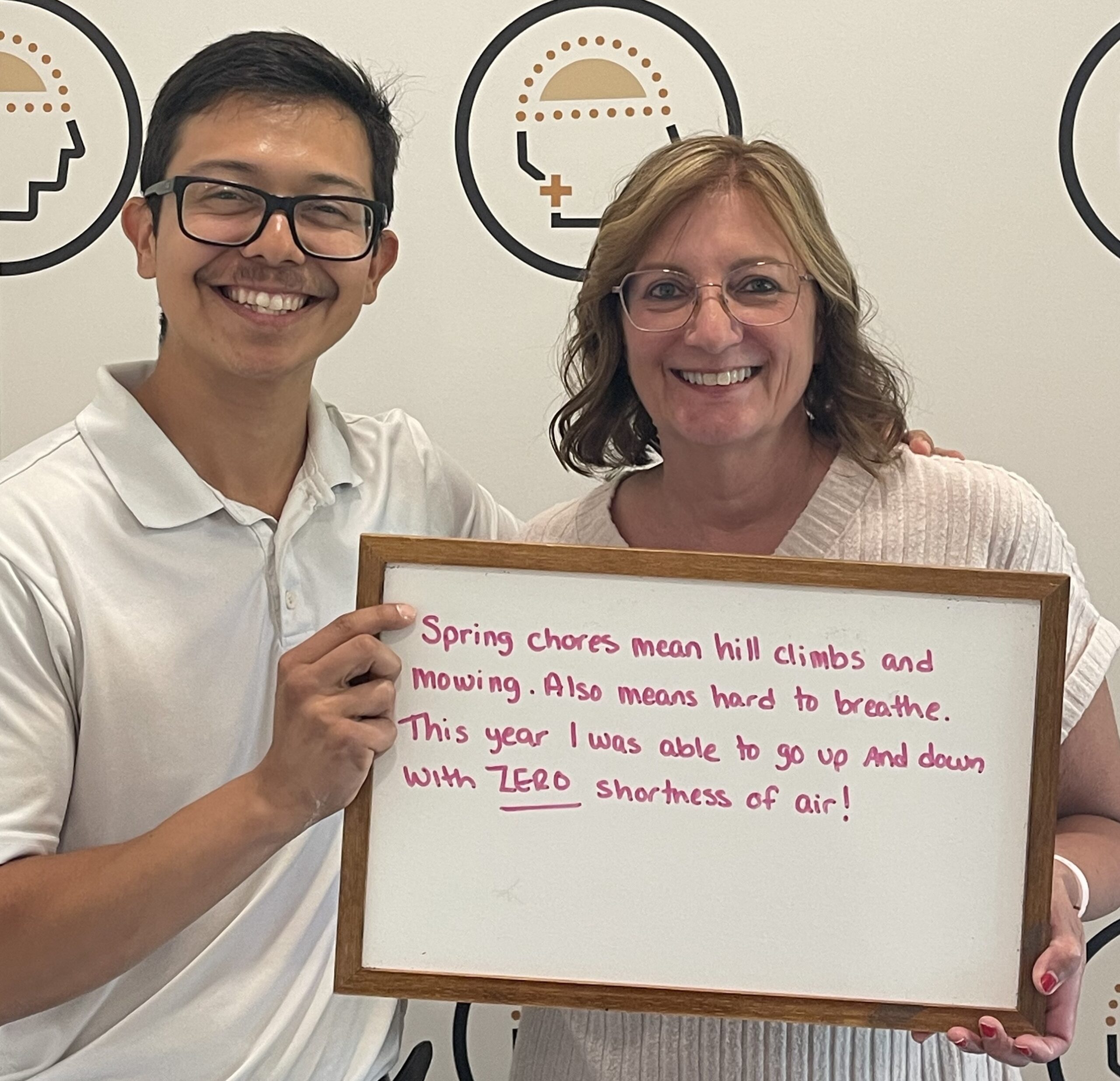
"I finally have a plan that works with my real life — not against it. The support from the team made all the difference."
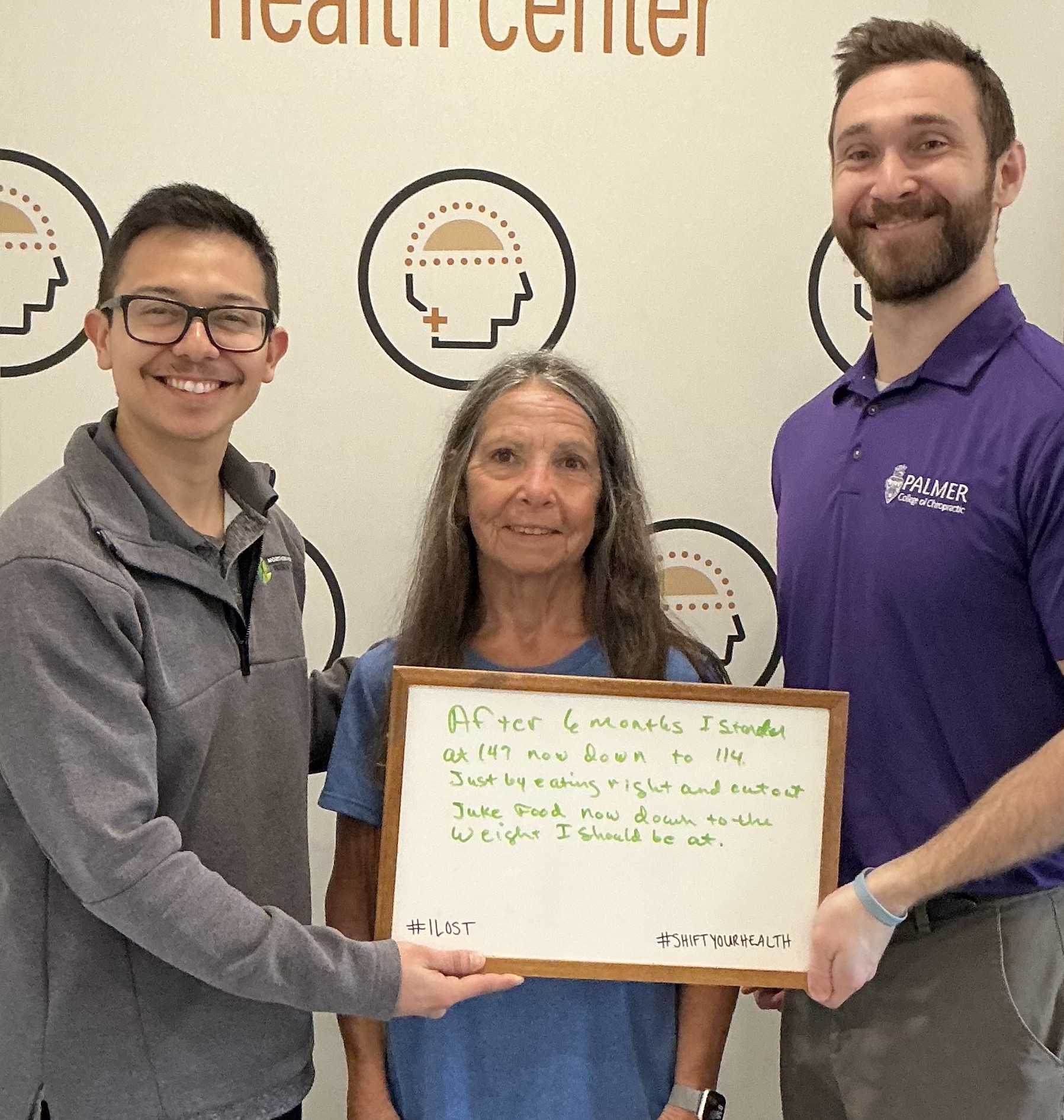
"For the first time, weight loss felt sustainable. I stopped restarting every Monday and just kept going."
Neither Christine nor Nancy used medication in our program. They followed a structured nutrition framework, showed up for regular check-ins, and let the team adjust the plan when life happened. That's the pattern.
What Weight Loss Without Medication Can Look Like
Weight loss without medication works best when the plan is specific enough to guide you and flexible enough to survive your actual life.
At Northern Michigan Weight Loss, nutrition doesn't become a from-scratch guessing game every morning like a culinary hostage situation. We use a structured framework with tailored guidance so you know what to eat, how to adjust portions, and how to handle normal life without starting over every Monday.
That matters after GLP-1 weight regain because many people have lost confidence. They know the scale moved once. They also know it came back. The missing piece is often support around the daily decisions that medication made quieter for a while.
We help clients rebuild:
- Meal structure
- Smarter portions
- Grocery routines
- Restaurant strategies
- Protein and produce habits
- Movement confidence
- Weekly accountability
- A calmer relationship with progress
Consistency matters more than perfection. The win is becoming steady enough that your body starts trusting the process again.
A Simple Reset Plan for This Week
If you're dealing with weight regain after Ozempic, Wegovy, semaglutide, or another GLP-1 medication, start with a simple reset instead of a dramatic overhaul.
NIDDK notes that successful programs commonly include monitoring, regular feedback, and support. Translation: support belongs in the plan. White-knuckling is wildly overrated.
Frequently Asked Questions
Is weight regain after Ozempic normal?
Yes. In the 2022 STEP 1 extension study, adults who stopped semaglutide 2.4 mg and lifestyle intervention regained about two-thirds of their prior weight loss over the next year. Weight regain is common and deserves a practical plan.
Can I lose weight without medication after GLP-1 weight regain?
Yes, many people can make progress with structured nutrition, movement, coaching, and accountability. NIDDK says lifestyle changes are commonly used to help people lose excess weight safely and keep it off long term, and successful programs typically include regular support.
What should I focus on after stopping a GLP-1 medication?
Focus on meal structure, portion awareness, protein and produce, repeatable movement, and accountability. The STEP 1 extension suggests ongoing support matters for weight maintenance, and NIDDK says successful programs typically include nutrition planning, activity, monitoring, and feedback.
Does Northern Michigan Weight Loss require lab work or blood work?
No. Northern Michigan Weight Loss is an all-natural, non-medical weight loss program in Traverse City, MI. The program uses nutrition guidance, coaching from doctors and coaches, accountability, natural supplements, and optional red light therapy. It does not include lab work or blood work.
Is red light therapy required?
No. Red light therapy is available and recommended in the Northern Michigan Weight Loss program, usually starting around Week 2, but it is optional. Our team will explain how it fits into the program so you can make an informed decision.
Rebuild sustainable habits — without medication.
If weight regain after Ozempic or another GLP-1 medication has left you frustrated, Northern Michigan Weight Loss can help. Start your wellness journey in Traverse City with a plan built for real life in Northern Michigan.
Schedule Free Consultation Book a Time